
Curriculum
An education

“There is in Euripides some kind of learning that is always at the boiling point.” — Anne Carson, preface to Grief Lessons: Four Plays by Euripides
in this one-month course we will learn that the bakery will close for summer holidays and there will no good baguettes for several weeks. we will learn that it’s possible for the entire east side of Japan to be under a tsunami warning while Tokyo stays sheltered. we will learn that rabbits used to be counted as birds, possibly because their long ears look like wings.1 we will review the lesson that the simple act of texting someone far away in space or time can darken the whole afternoon. we will learn a beautiful brilliant fearsome woman who can shrink you with a single look can still be kept up at night by an unanswered email.
we will learn that “pleasure is our birthright”2; but also that seeking pleasure and trying to avoid pain is a “tragically human habit.”3 we will learn that the characters for 自由 freedom, 社会主義 socialism, and 共産主義 communism are Japanese constructions, translated from Western texts, before being adopted into Chinese.4 we will learn that a professor before a room of people can still quiver with nerves, in two symmetrical spots just below his nostrils, like misplaced dimples. we will learn that washing one’s washing machine is an actual task that actual adults do, and it is actually disgusting.5
we will revisit the fact that the guy who established the UK’s first national meteorological department took his own life at age sixty under duress from the scientific establishment for his daily “weather forecasts,” as he called them.6 we will review the results of failed attempts at seeing into our own future, discuss the eventual order and timings of our parents’ deaths with ourselves, a lawyer, our sister, our father, and we will learn that the thickening wild of existential agitation can neither be hacked at nor pruned by known methods. we will learn that things in nature merely grow.7
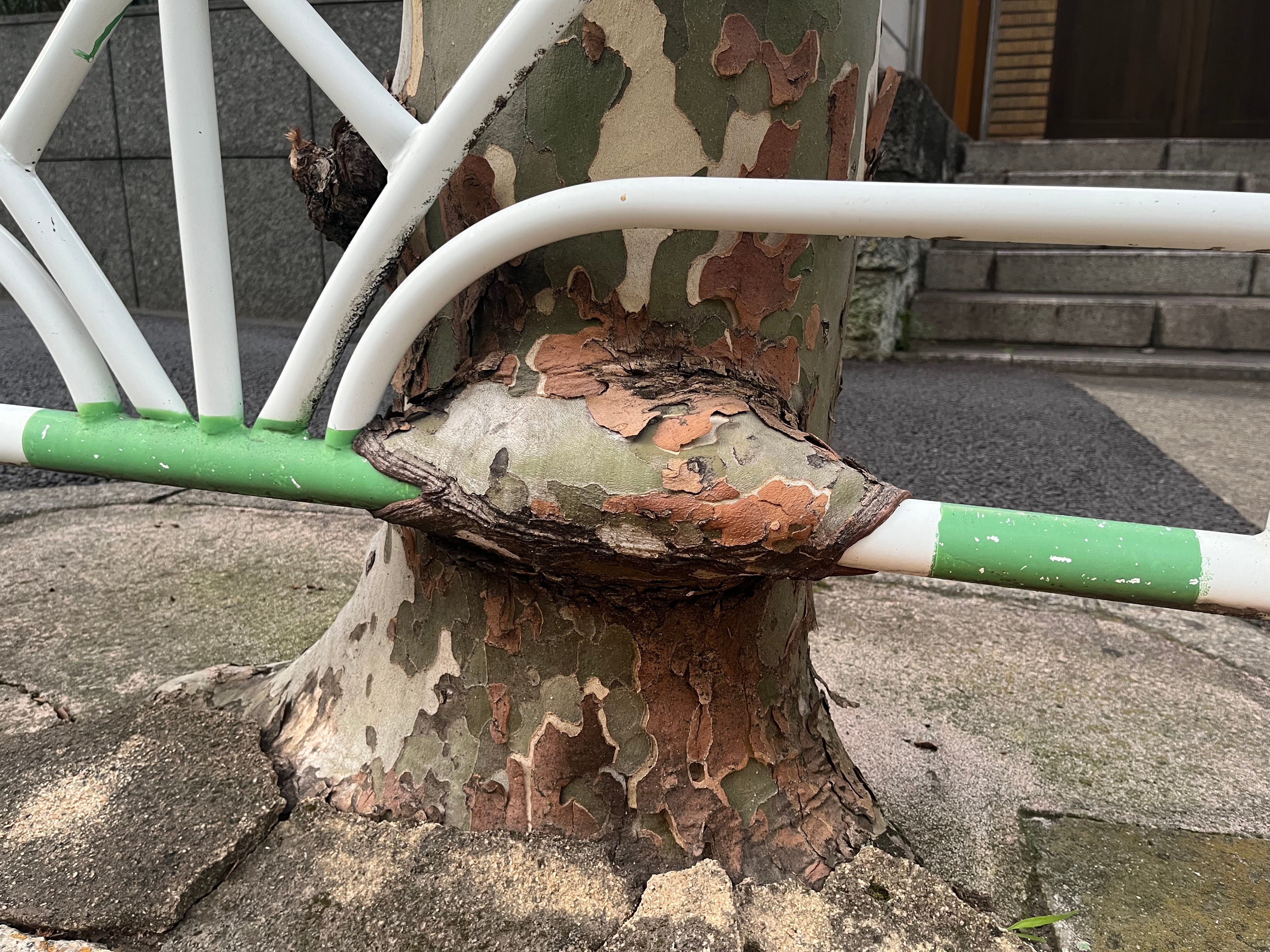
we will learn that some people are capable of long-term, complex decision making at a personal and global scale, that these people make maps, use algorithms, consult forecasts, gather teams of experts, the kinds of people who have “executive” in their job descriptions. we will learn that when deciding whether or not to get married, Charles Darwin made a pro/con list. we will learn that some people are, for some reason, quite good at predicting future change, that these people have been coined “superforecasters,” and that one thing that unites them is that they tend to score very high on openness to experience, also called curiosity, on the big five personality test.8 we will explore the possibility that despite scoring very high on this dimension, for other people being open to experience is the very reason they find the future so opaque and making predictions especially useless. we will reread and reread and reread previous coursework demonstrating that we have no control over anything, but also that to some extent we ought to pretend like we do or risk paralysis, meandering, and eventual self dissolution like newspaper fallen into the pool.
there will be no breaks.
we will learn while receiving a haircut that kyacchi kopii actually refers to slogans and taglines not catching and copying foreign buzzwords as we previously thought. we will learn this in the context of rising anti-foreigner populism in Japan, using the example phrase “Japanese first.”9 we will learn that a pinecone is architecture.10
we will learn that in July at 3,000 meters up it can still be too cold in a tent, that even if there is doubt in the forecast about rain, to always bring extra socks or face the sleepless night. we will learn that the absence of people we haven’t spoken to in years can still make us feel terribly alone.

we will learn that if we have to make a statement to the police because a drunk driver has hit us from behind and attempted to flee the scene, but failed and flipped his van onto its side, the police will ask us over and over and over what country we’re from, where we work, that they will take our statement by hand, rewrite the whole page if there are any mistakes, and offer us tonjiru for dinner. we will learn later in the course that for a thin, well-groomed older woman who’s gone off her meds and refuses to leave the hair salon for the entire day, it will take three cops to remove her from the premises.
we will read extensively the conflicting scholarship on grief. we will learn that in trying to love you we sought to “transcend our existential aloneness, a salve against the wounds of life,”11 and that “heartache is not something we choose to invite in, it’s restless and pregnant and hot with the desire to escape,” but that “scrambling for security has never brought anything but momentary joy” and we ought to seek “a relaxing and cooling loneliness.”12 we will learn that grief is “but a word, a shortcut,”13 is not something that leaves but rather stays, not something you get rid of but something you grow around.14 we will learn that “grief and rage — you need to contain that, to put a frame around it, where it can play itself out.”15
we will build on previous lessons that fiction can make us feel pleasantly fungible. we will read one novel about egomaniacal ambitious twenty year olds whose heads are so far up the asses of their own destructive intellectual collaboration16 and another with youths gathered around a vat in Brooklyn brewing cocktails of wayward longings above which gathers the perpetual steam of a hungover dream state,17 and we will learn that this combination can create nostalgia for a time that cannot and should not be returned to. we will conclude that the current course, which follows Hedonism 101, is hard and boring, but a prerequisite for graduation.
we will review material that this hole is not the grave.18 we will learn, and unlearn, and learn again.
READING LIST:
Archipelago of the Sun, Yoko Tawada, translated by Margaret Mitsutani
Paul Browde, Where Should We Begin?
When Things Fall Apart, Pema Chodron
Things in Nature Merely Grow, Yiyun Li
Farsighted, Steven Johnson
my hairdresser
Sou Fujimoto, Mori Art Museum
Esther Perel, The Nature of
When Things Fall Apart, Pema Chodron
Things in Nature Merely Grow, Yiyun Li
Esther Perel, The Nature of
Grief Lessons: Four Plays by Euripides, Anne Carson
Tomorrow, and Tomorrow, and Tomorrow, Gabrielle Zevin
Masquerade, Mike Fu
“What Resembles the Grave But Isn’t,” Anne Boyer